
Introduction
The tattoo industry is experiencing a green revolution. As environmental consciousness grows across every aspect of our lives, body art enthusiasts and artists alike are asking an important question: can tattoos be more sustainable?
Enter biodegradable tattoo ink—a groundbreaking innovation that promises to merge artistic self-expression with environmental responsibility. Whether you're a first-timer researching your options or a seasoned collector curious about eco-friendly alternatives, understanding bio ink tattoos opens up exciting new possibilities for conscious body art.
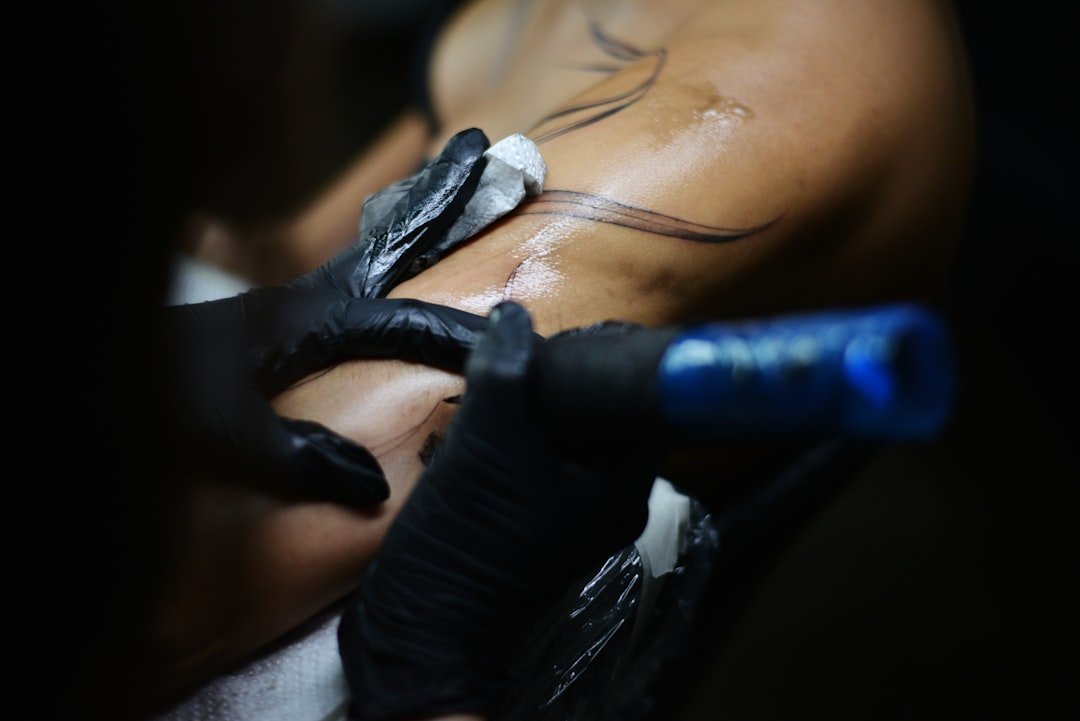
What Is Biodegradable Tattoo Ink?
Biodegradable tattoo ink refers to tattoo pigments formulated using organic, plant-based, or bio-compatible materials that break down more naturally within the body and environment compared to conventional inks. Unlike traditional tattoo inks that often contain heavy metals, plastics, and synthetic compounds, bio inks utilize ingredients derived from natural sources.
Think of it like the difference between a plastic bag and a paper bag. Traditional tattoo inks contain particles that persist indefinitely in your skin and, when removed through laser treatments, release compounds that your body struggles to process. Biodegradable alternatives are designed to work harmoniously with your body's natural systems.
These innovative inks typically feature carbon-based pigments, vegetable-derived carriers, and organic colorants that maintain vibrant results while reducing the chemical load on both your body and the planet.
How Biodegradable Tattoo Ink Works
Understanding how bio ink functions requires a quick look at traditional tattoo science. When you get a tattoo, a needle deposits ink particles into your dermis—the second layer of skin. Your immune system recognizes these particles as foreign and sends macrophages (specialized white blood cells) to consume them. However, traditional ink particles are too large and chemically stable for complete breakdown, so they remain trapped in your skin permanently.
Biodegradable tattoo inks work differently through several key mechanisms:
-
Bio ink particles are designed at specific sizes that allow for stable retention while enabling eventual natural processing by the body
-
Instead of synthetic glycerin or alcohol bases, bio inks use plant-derived carriers like vegetable glycerin or purified botanical extracts
-
Colors come from sources like carbon (black), plant extracts, and mineral-based compounds approved for cosmetic use
-
Some advanced bio inks use biodegradable microspheres that protect pigment initially but break down over decades
Research published in journals like The Lancet has examined how tattoo ink interacts with human tissue, highlighting the importance of understanding what we permanently deposit into our skin. This scientific scrutiny has driven innovation in safer ink formulations.
Bio Ink vs. Traditional Tattoo Ink
Choosing between biodegradable and traditional tattoo ink involves weighing several factors. Here's how they compare across key considerations:
| Feature | Traditional Ink | Biodegradable Ink |
|---|---|---|
| Primary Ingredients | Heavy metals, azo dyes, plastics | Plant-based pigments, organic carriers |
| Environmental Impact | Non-degradable waste, pollution concerns | Reduced ecological footprint |
| Color Longevity | Proven decades-long retention | Excellent retention, newer long-term data |
| Color Range | Extensive palette available | Growing but currently more limited |
| FDA Regulation | Minimal oversight | Same regulatory landscape |
| Laser Removal | Releases potentially harmful byproducts | Designed for cleaner breakdown |
| Cost | Standard pricing | Often 15-30% premium |
It's worth noting that the FDA does not directly regulate tattoo inks, classifying pigments as cosmetics. This means both traditional and biodegradable inks exist in a relatively unregulated space, making research and choosing reputable brands especially important.
Benefits and Considerations
Like any emerging technology, biodegradable tattoo ink comes with distinct advantages and limitations to consider before your next session.
- Reduced exposure to heavy metals like mercury, lead, and cadmium found in some traditional inks
- Lower environmental impact during production and eventual breakdown
- Potentially safer laser removal with fewer toxic byproducts released into the body
- Vegan-friendly options available (many traditional blacks contain bone char)
- Hypoallergenic formulations reduce reaction risks for sensitive individuals
- Limited long-term data compared to traditional inks used for decades
- Smaller color palette, particularly for vibrant reds and yellows
- Higher cost per session due to premium ingredient sourcing
- Fewer artists currently trained or experienced with bio inks
- Some formulations may fade differently than expected
Real-World Applications
Biodegradable tattoo ink isn't just theoretical—it's being used in studios worldwide. Here's where you'll find bio ink making the biggest impact:
Eco-Conscious Studios: A growing number of tattoo parlors are rebranding as "green" or sustainable shops, offering biodegradable inks alongside other environmentally friendly practices like solar power, recyclable supplies, and non-toxic cleaning products.
Medical Tattooing: The medical field has shown particular interest in bio-compatible inks for procedures like areola reconstruction after mastectomy, scar camouflage, and scalp micropigmentation. The reduced risk profile makes these inks attractive for medical applications.
Temporary-Permanent Hybrids: Some companies have developed inks designed to fade completely within one to three years—perfect for those who want the tattoo experience without lifetime commitment. These use accelerated biodegradation technology.
Sensitive Skin Solutions: Dermatologists increasingly recommend biodegradable options for clients with eczema, psoriasis, or histories of allergic reactions to traditional tattoo ink components.
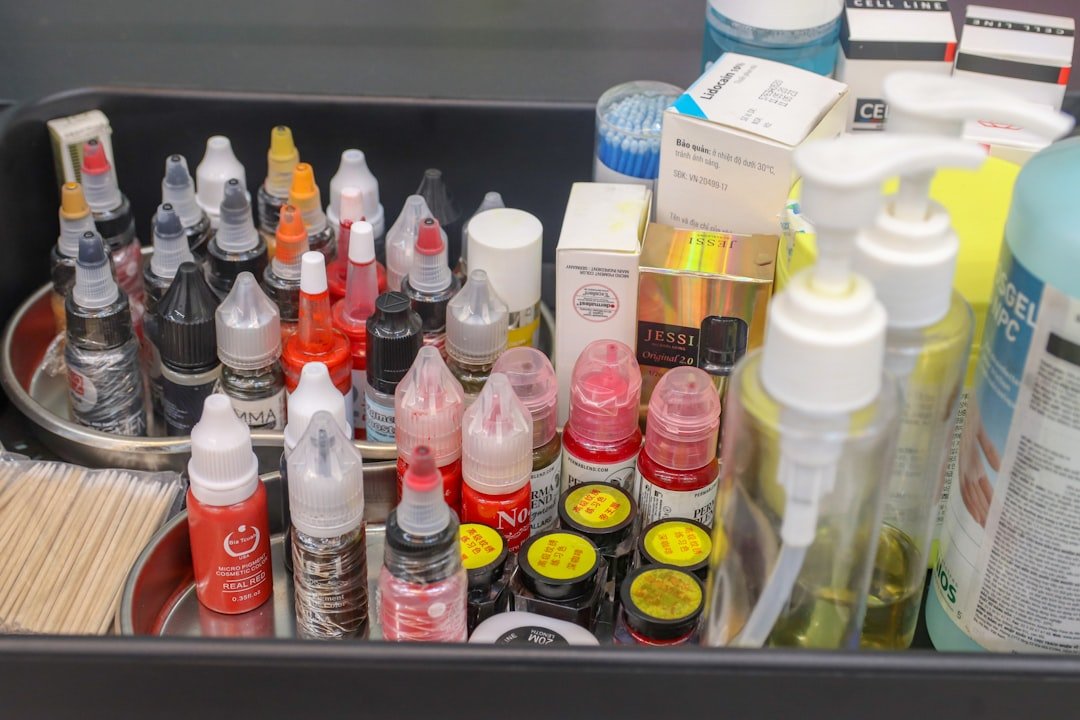
Brands like Eternal Ink have introduced vegan and organic lines, while newer companies such as Ephemeral have pioneered made-to-fade technology. When choosing a bio ink artist, ask about their specific brand preferences, how long they've worked with the product, and request to see healed examples of their work.
The Professional Beauty Association and various tattoo industry organizations are beginning to establish guidelines for sustainable practices, including ink sourcing.
Common Misconceptions
As with any innovation, myths and misunderstandings surround biodegradable tattoo ink. Let's clear up the most common ones:
Key Takeaways
Biodegradable tattoo ink represents an exciting evolution in body art—one that aligns self-expression with environmental and health consciousness. While the technology continues developing, today's bio inks offer a legitimate alternative for those seeking greener options without sacrificing quality.
Before booking your next appointment, research artists experienced with biodegradable formulations, ask about specific brands they use, and have realistic expectations about the current color palette. As demand grows and technology advances, expect bio ink to become increasingly mainstream in the tattoo world.
Your body art journey is deeply personal, and choosing sustainable ink adds another meaningful layer to that expression. The future of tattooing is looking greener—and that's something worth celebrating.
Planning Your First (or Next) Tattoo?
Explore our comprehensive guides on tattoo aftercare, finding the right artist, and making informed decisions about your body art journey.
Browse Tattoo Guides
Comments
No comments yet. Be the first to comment!
Leave a Comment