Introduction
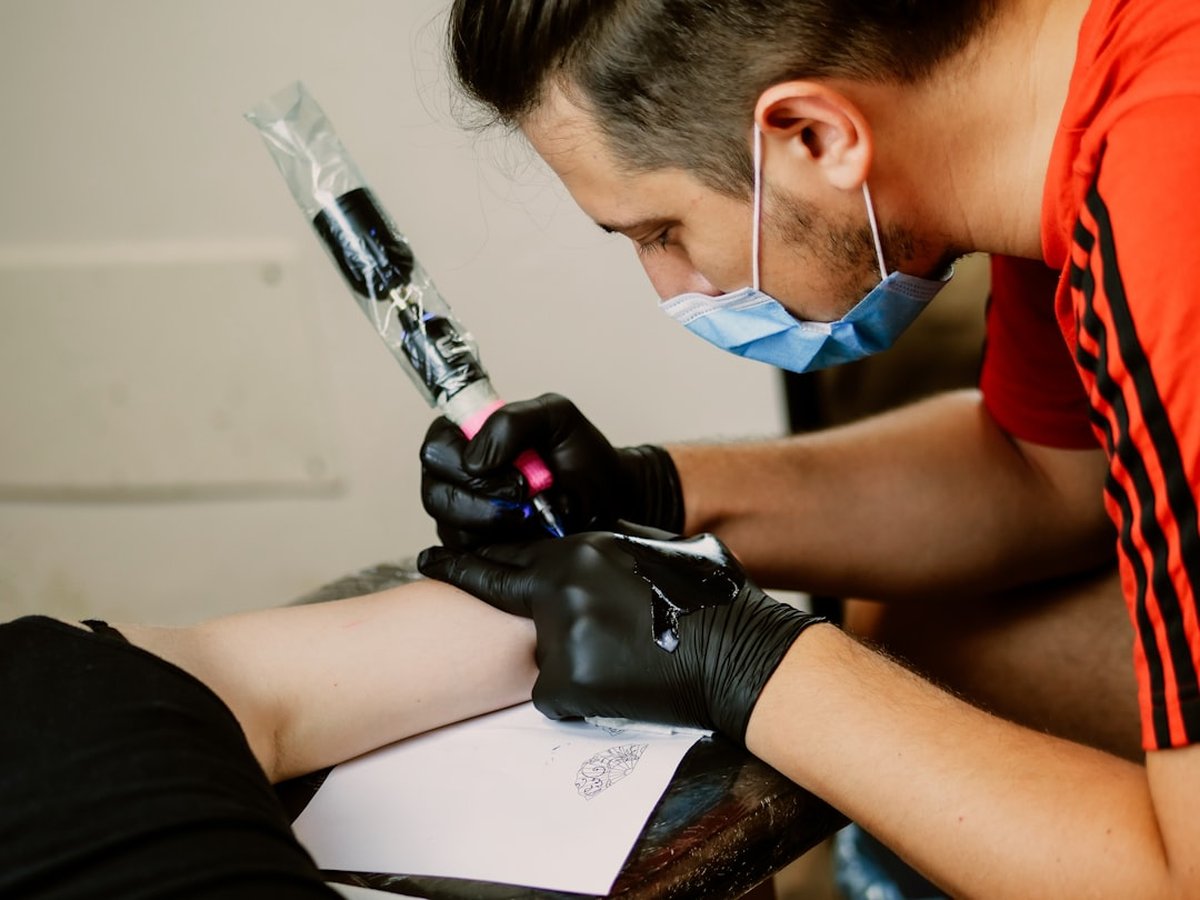
Getting a tattoo is an exciting form of self-expression, but if you live with eczema, psoriasis, or chronically sensitive skin, the journey from fresh ink to fully healed artwork requires extra care and consideration. The standard aftercare advice plastered across tattoo shop walls wasn't written with your unique skin challenges in mind—and following generic instructions could lead to flare-ups, prolonged healing, or compromised results.
The good news? Having a chronic skin condition doesn't mean tattoos are off-limits. Thousands of people with sensitive skin successfully get tattooed every year, producing stunning results that heal beautifully. The key lies in understanding how your specific condition interacts with the tattooing process and developing a customized aftercare strategy that works with your skin, not against it.
In this comprehensive guide, we'll walk you through everything you need to know about tattoo aftercare for sensitive skin. You'll learn how to prepare your skin before your appointment, navigate the critical first weeks of healing, recognize warning signs that require medical attention, and maintain your tattoo's vibrancy for years to come. We've consulted with board-certified dermatologists and experienced tattoo artists who specialize in working with clients who have skin conditions to bring you evidence-based, practical advice you can trust.
Photo by Dan Meyers on Unsplash
What is Tattoo Aftercare for Sensitive Skin?
Tattoo aftercare for sensitive skin refers to the specialized healing protocols and product choices designed for individuals whose skin reacts more intensely to trauma, irritants, or environmental factors. While all tattoos require proper aftercare—the skin has essentially experienced thousands of tiny puncture wounds filled with ink—sensitive skin demands a more thoughtful, often gentler approach.
Standard tattoo aftercare typically involves keeping the area clean, applying a thin layer of moisturizer or specialized tattoo balm, avoiding sun exposure, and resisting the urge to scratch or pick at the healing skin. For those with chronic skin conditions, this baseline protocol needs significant modification to account for:
Compromised Skin Barrier Function
Conditions like eczema (atopic dermatitis) and psoriasis involve dysfunction in the skin's protective barrier. According to the National Eczema Association, people with eczema have lower levels of certain proteins that maintain skin integrity, making their skin more permeable to irritants and slower to heal from wounds. This means a fresh tattoo on eczema-prone skin may be more vulnerable to infection and environmental triggers.
Heightened Inflammatory Response
Sensitive skin conditions often involve an overactive immune response. When you get tattooed, your immune system naturally responds to what it perceives as foreign material (the ink) and trauma (the needles). In someone with psoriasis or eczema, this inflammatory response can be amplified, potentially triggering a flare-up in or around the tattooed area.
The Koebner Phenomenon
Particularly relevant for those with psoriasis, the Koebner phenomenon (also called isomorphic response) describes the development of skin lesions at sites of injury or trauma. Research published in the Journal of the American Academy of Dermatology indicates that 25-30% of psoriasis patients experience this phenomenon, meaning a tattoo could potentially trigger psoriatic plaques along the exact lines of the new ink.
| Aspect | Standard Aftercare | Sensitive Skin Aftercare |
|---|---|---|
| Cleaning Frequency | 2-3 times daily | 2-3 times daily with extra-gentle cleansers |
| Moisturizer Type | Standard tattoo balm or unscented lotion | Dermatologist-approved, hypoallergenic formulas |
| Healing Timeline | 2-4 weeks | 3-6 weeks (potentially longer) |
| Product Patch Testing | Optional | Essential before use |
| Medical Consultation | If complications arise | Before and during healing process |
| Flare-Up Protocol | Not applicable | Requires predetermined plan with dermatologist |
Understanding these differences is the foundation of successful tattoo healing for sensitive skin. Your aftercare routine isn't just about preventing infection—it's about managing your underlying condition while giving your new tattoo the best possible chance to heal cleanly and retain its intended appearance.
Why Specialized Aftercare Matters
Investing time and attention into specialized aftercare isn't about being overly cautious—it's about protecting both your skin health and your financial investment in your tattoo. Understanding the stakes helps motivate consistent, proper care even when the healing process feels tedious.
Preventing Complications Before They Start
For individuals with chronic skin conditions, tattoo complications aren't just possible—they're more likely without proper precautions. A study referenced by the American Academy of Dermatology found that people with atopic dermatitis have higher rates of skin infections in general, and the open wound of a fresh tattoo creates an entry point for bacteria.
Beyond infection, improper aftercare can trigger condition-specific complications:
- Eczema flares can cause intense itching that leads to scratching, which damages the tattoo and introduces bacteria
- Psoriasis plaques developing over a tattoo can distort the design and require medical treatment
- Contact dermatitis reactions to aftercare products can cause blistering, scarring, or ink rejection
Preserving Your Tattoo's Appearance
A tattoo is artwork you'll wear for life, and how it heals directly impacts how it looks long-term. Sensitive skin that becomes inflamed, overly dry, or infected during healing may push out ink unevenly, leading to patchy areas or faded sections that require touch-ups. Scarring from picking, scratching, or severe reactions can create raised or discolored areas that permanently alter the design.
Managing Your Underlying Condition
The skin trauma from tattooing can potentially destabilize well-managed skin conditions. Proper aftercare helps contain the inflammatory response to the tattoo site rather than allowing it to trigger a systemic flare. This is particularly important for those whose conditions are controlled through medication, as a significant flare could require treatment adjustments.
I've worked with hundreds of clients who have eczema or psoriasis, and the ones who heal best are always those who take their aftercare seriously and stay in communication with both me and their dermatologist. It's a team effort.
How to Care for Your Tattoo with Sensitive Skin
Successfully healing a tattoo with a chronic skin condition requires a phased approach that adapts as your skin progresses through different healing stages. This section provides a detailed roadmap from the moment you leave the tattoo shop through full healing and beyond.
Phase 1: Pre-Tattoo Preparation (2-4 Weeks Before)
Your aftercare actually begins before you sit in the tattoo chair. This preparation phase is crucial for sensitive skin and often overlooked.
Consult Your Dermatologist
Schedule an appointment with your dermatologist to discuss your tattoo plans. They can assess whether your condition is stable enough for tattooing, adjust medications if needed (some immunosuppressants may need to be modified around the procedure), and provide personalized aftercare recommendations. Bring information about the tattoo size, location, and expected session length.
Stabilize Your Condition
Aim to have your skin condition as well-controlled as possible before your appointment. Avoid getting tattooed during an active flare. For psoriasis patients, this means no active plaques at or near the tattoo site. For eczema sufferers, the area should be free from active inflammation, cracking, or weeping.
Patch Test Your Aftercare Products
Don't wait until you have an open wound to discover you're sensitive to your chosen aftercare products. Apply a small amount of each product you plan to use to a discreet area of skin (inner arm works well) and monitor for 48-72 hours. Look for redness, itching, bumps, or any reaction.
-
Discuss medications, timing, and get personalized recommendations
-
No active flares at or near the planned tattoo location
-
Choose fragrance-free, hypoallergenic formulas designed for sensitive skin
-
Apply to inner arm and wait 48-72 hours before your appointment
-
Share your condition details and any concerns about products they use
-
Clean sheets, loose clothing, and easy access to aftercare supplies
Phase 2: Immediate Aftercare (Days 1-3)
The first few days after getting tattooed are the most critical. Your skin is essentially an open wound, and proper care during this phase sets the foundation for healthy healing.
Bandage Removal and First Wash
Your artist will cover your fresh tattoo with either a traditional bandage, plastic wrap, or a medical-grade adhesive bandage like Saniderm or Tegaderm. Follow your artist's specific instructions for removal timing—this typically ranges from 2 hours for traditional bandages to several days for adhesive bandages.
For sensitive skin, adhesive bandages deserve special consideration. While they can protect the tattoo from bacteria and friction, they can also cause reactions in some individuals. If you know you react to adhesive bandages from past medical experiences, discuss alternatives with your artist before your session.
When it's time for your first wash:
- Wash your hands thoroughly with antibacterial soap
- Remove the bandage gently—if using an adhesive bandage, do so under warm running water
- Using lukewarm water and a fragrance-free, gentle cleanser, wash the tattooed area with your fingertips (not a washcloth)
- Rinse thoroughly, ensuring no soap residue remains
- Pat dry with a clean paper towel (not a cloth towel that may harbor bacteria)
- Allow the area to air dry completely for 5-10 minutes before applying any product
Moisturizing Protocol
After the tattoo has air-dried, apply a very thin layer of your pre-tested aftercare product. For sensitive skin, less is more—heavy application can suffocate the skin, trap bacteria, and trigger reactions. The skin should look slightly shiny but not greasy.
Recommended products for sensitive skin include:
- Aquaphor Healing Ointment: While petroleum-based, many dermatologists recommend it for wound healing. Use sparingly.
- CeraVe Healing Ointment: Contains ceramides that support skin barrier function, making it particularly good for eczema-prone skin.
- Eucerin Original Healing Cream: A fragrance-free option that's been used for decades on sensitive skin.
- Lubriderm Daily Moisture (Fragrance-Free): Lighter than ointments, good for those who find heavy products trigger breakouts or irritation.

Phase 3: Initial Healing (Days 4-14)
During this phase, your tattoo will go through several visible changes. Understanding what's normal versus concerning helps you avoid panicking over typical healing symptoms while staying vigilant for actual problems.
What to Expect
- Days 4-6: The tattoo may start to peel, similar to a sunburn. This is normal. The peeling skin may appear colored with ink—this is surface ink shedding, not your tattoo coming off.
- Days 7-10: Peeling continues. The skin may appear dull or cloudy—this is due to a layer of new skin forming over the ink.
- Days 11-14: Most peeling should be complete. The tattoo may still look slightly faded, which is normal at this stage.
For Eczema-Prone Skin
The peeling phase can be particularly challenging because it mimics the flaky, itchy symptoms of an eczema flare. Resist the urge to:
- Apply your regular eczema medication to the tattoo without dermatologist approval (steroids can affect healing and ink retention)
- Pick or pull at peeling skin
- Scratch, even gently
If you experience intense itching that goes beyond normal healing discomfort, contact your dermatologist. They may recommend specific interventions that are safe for healing tattoos.
For Psoriasis-Prone Skin
Watch carefully for signs of the Koebner phenomenon. If you notice:
- Raised, silvery patches developing on the tattoo
- Spreading redness beyond normal healing inflammation
- Thick, scaly skin forming over the design
Contact your dermatologist immediately. Early intervention can help prevent significant plaque development.
Phase 4: Long-Term Healing (Weeks 3-6+)
While your tattoo may look healed on the surface by week three, deeper skin layers are still repairing. Sensitive skin typically takes longer to fully heal, and rushing this phase can lead to delayed complications.
Continued Care
- Keep moisturizing, though you can typically transition to a lighter lotion as the skin is no longer an open wound
- Continue avoiding direct sun exposure on the tattoo
- Avoid soaking in pools, hot tubs, or natural bodies of water until fully healed
- Stay attentive to any delayed reactions or changes in the tattoo's appearance
Returning to Normal Skincare
If you have a condition-specific skincare routine (such as using topical steroids for eczema), consult your dermatologist about when it's safe to resume these products on or near the tattooed area. Generally, most dermatologists recommend waiting until the tattoo is fully healed—often 4-6 weeks—before applying prescription treatments directly to the tattooed skin.
When to Consider Your Tattoo Healed
For sensitive skin, don't rush to declare your tattoo healed. Signs of complete healing include:
- No peeling, scabbing, or flaking
- The skin texture over the tattoo matches the surrounding skin
- No itching or sensitivity when touching the area
- The tattoo has settled into its final color (initially bright colors may mute slightly, which is normal)
Common Mistakes to Avoid
Even well-intentioned people make aftercare mistakes that can compromise their tattoo's healing. For those with sensitive skin, these errors can have amplified consequences. Understanding these pitfalls helps you navigate the healing process more successfully.
Mistake #1: Using Your Regular Condition Treatments on Fresh Tattoos
It's tempting to reach for the products that normally soothe your eczema or psoriasis when your tattooed skin feels irritated. However, many condition-specific treatments are inappropriate for fresh tattoos:
- Topical corticosteroids can thin the skin, impair wound healing, and potentially affect ink retention
- Salicylic acid (common in psoriasis treatments) can irritate open wounds and interfere with healing
- Retinoids can cause excessive dryness and peeling
- Immunomodulators like tacrolimus may increase infection risk when applied to open wounds
Always consult your dermatologist before applying any prescription or medicated products to a healing tattoo.
Mistake #2: Over-Moisturizing
People with chronic dry skin conditions often have deeply ingrained habits of frequent, heavy moisturizing. While this is generally beneficial for your condition, it can backfire during tattoo healing.
Excessive moisturizer application can:
- Suffocate the skin, preventing necessary air circulation
- Create a warm, moist environment ideal for bacterial growth
- Clog pores and cause breakouts around the tattoo
- Pull ink from the skin if applied too heavily in early stages
Apply thin layers and allow the product to absorb fully before reapplying. If the tattoo feels tight or dry between applications, it's okay to moisturize more frequently—just keep each application light.
Mistake #3: Panicking Over Normal Healing Signs
Because people with chronic skin conditions are accustomed to monitoring their skin for flare symptoms, they sometimes misinterpret normal tattoo healing as a problem. This can lead to unnecessary product switching, excessive cleaning, or premature medical intervention that actually disrupts healing.
| Normal Healing | Cause for Concern |
|---|---|
| Light peeling/flaking (like sunburn) | Heavy scabbing or wounds reopening |
| Mild redness around the tattoo | Spreading redness, red streaks, or warmth |
| Slight swelling for first few days | Swelling that increases after day 3 |
| Ink in shed skin during peeling | Significant ink loss or color changes |
| Mild itching during peeling phase | Intense itching, burning, or pain |
| Cloudy appearance during healing | Oozing pus, green/yellow discharge |
| Tattoo looking dull temporarily | Blistering or raised bumps in specific areas |
Mistake #4: Switching Products Mid-Healing
If your skin seems to be reacting to an aftercare product, switching to something new can actually make things worse. Each new product introduction is another potential irritant or allergen your sensitive skin must process.
This is why patch testing before your tattoo is so important. If you do need to switch products during healing, consult your dermatologist first, and transition to the most basic, gentle option available (plain, fragrance-free petroleum jelly is often the safest choice).
Mistake #5: Not Communicating with Your Care Team
Your tattoo artist and dermatologist have different expertise that together supports your healing. Some people feel embarrassed to "bother" professionals with questions, or they assume one or the other can't help.
- Contact your tattoo artist about questions related to the tattoo itself: appearance changes, ink concerns, scheduling touch-ups
- Contact your dermatologist about medical concerns: possible infection, flare management, medication interactions
Don't try to self-diagnose complications. A quick call or email can prevent small issues from becoming major problems.
Mistake #6: Rushing the Timeline
Impatience leads to many aftercare failures. Sensitive skin heals more slowly, and accepting this reality is crucial. Common timeline mistakes include:
- Exposing the tattoo to sun or tanning beds too soon
- Swimming before the tattoo is fully healed
- Returning to gym activities that cause excessive sweating or friction on the area
- Shaving over or near the tattoo prematurely
- Wearing tight or irritating clothing over the healing area
Add at least 1-2 weeks to any "standard" healing timeline you read about online when you have a chronic skin condition.
Best Practices and Expert Recommendations
Beyond avoiding mistakes, implementing these proactive best practices will give your sensitive skin the best chance at beautiful, complication-free healing.
Choose Your Placement Strategically
Where you place your tattoo can significantly impact healing for those with skin conditions:
Avoid Areas Where Your Condition Typically Flares
If your eczema always appears in your elbow creases or your psoriasis concentrates on your elbows and knees, these are higher-risk locations for Koebner phenomenon or healing complications. Choose areas where your skin tends to remain clear and stable.
Consider Skin Texture
Areas with existing scarring, texture changes from past flares, or thin skin may not hold ink as well or heal as predictably. Discuss your skin history with your artist during the consultation.
Think About Daily Friction
Locations that experience frequent friction (waistband area, bra line, areas where skin rubs together) can be problematic for sensitive skin that's already prone to irritation.
Build a Relationship with a Knowledgeable Artist
Not all tattoo artists have experience working with clients who have chronic skin conditions. Seek out artists who:
- Ask about your medical history and current condition status
- Are willing to consult with your dermatologist if needed
- Use high-quality, hypoallergenic products in their studio
- Have experience with sensitive skin clients and can share examples
- Are willing to adjust their technique (lighter hand, shorter sessions) if needed
Once you find a good artist, stick with them. They'll learn your skin's patterns and can provide increasingly personalized care.
For patients with eczema or psoriasis who want tattoos, timing is everything. I always recommend getting tattooed during a period of disease stability—ideally when you've been flare-free for at least three months. This gives the best foundation for uncomplicated healing.
Optimize Your Overall Health During Healing
Your skin's ability to heal is connected to your overall health. During the weeks your tattoo is healing, prioritize:
Hydration
Well-hydrated skin heals more efficiently. Aim for adequate water intake and consider using a humidifier if you live in a dry climate or during winter months when indoor heating dries the air.
Nutrition
Foods rich in vitamins A, C, and E, zinc, and omega-3 fatty acids support skin healing. According to the Cleveland Clinic, these nutrients play crucial roles in collagen production, inflammation reduction, and tissue repair.
Sleep
Your body does significant repair work during sleep. Prioritize 7-9 hours per night during the healing period.
Stress Management
Stress is a known trigger for eczema and psoriasis flares. The added stress of worrying about your tattoo healing can create a counterproductive cycle. Practice stress-reduction techniques and try to maintain perspective—most tattoos heal just fine.
Keep a Healing Journal
For those with unpredictable skin, documenting your healing process provides valuable information for future tattoos and helps you communicate precisely with your healthcare providers if issues arise.
Record daily: - Photos of your tattoo (same lighting and angle for accurate comparison) - Products applied and amounts - Any symptoms: itching, burning, tightness, sensitivity - Your overall skin condition elsewhere on your body - Sleep quality, stress levels, any diet changes - Environmental factors (humidity, heat, sun exposure)
This record can help identify patterns and triggers specific to your skin.
-
Ask for references or examples of healed work on clients with similar conditions
-
Ensure condition stability and get personalized aftercare advice
-
Avoid typical flare areas and high-friction locations
-
Test on inner arm 48-72 hours before your appointment
-
Clean sheets, loose clothing, humidifier if needed
-
Have plenty of tested cleanser and moisturizer on hand
-
Allow 4-6 weeks before returning to activities that could affect healing
-
Document daily progress with photos and notes
-
Don't hesitate to contact your artist or dermatologist with concerns
Consider Timing Around Your Treatment Schedule
If you use systemic treatments for your skin condition (biologics, immunosuppressants, oral medications), work with your dermatologist to time your tattoo appropriately. Some medications may need to be paused before and after tattooing to reduce infection risk, while others may actually help manage the inflammatory response to tattooing. Never adjust your medications without medical guidance.
Plan for Touch-Ups
Accept that you may need touch-ups more than someone without a skin condition. This isn't a failure—it's simply the reality of how sensitive skin sometimes heals. Factors like minor flares during healing, necessary medication adjustments, or simply unpredictable healing can result in spots that need attention.
Discuss touch-up policies with your artist before your initial session. Many artists include one free touch-up within a certain timeframe, which is particularly valuable for clients whose skin may heal less predictably.
Condition-Specific Guidance
While general sensitive skin advice applies across conditions, specific diagnoses come with unique considerations worth understanding in depth.
Tattoo Aftercare for Eczema (Atopic Dermatitis)
Eczema affects the skin's barrier function and immune response, creating a state of chronic inflammation and sensitivity. The American Academy of Dermatology notes that people with eczema can get tattoos safely but should take extra precautions.
Key Considerations for Eczema:
- Barrier repair is priority one: Products containing ceramides, hyaluronic acid, and niacinamide support the compromised skin barrier. CeraVe and Eucerin make suitable options.
- Avoid known triggers: If certain fragrances, preservatives, or ingredients trigger your eczema, ensure they're not in any products used during or after tattooing—including what your artist uses.
- The itch-scratch cycle is your enemy: Eczema itch is notoriously intense. Have a plan for managing itching that doesn't involve scratching: cold compresses, distraction techniques, or antihistamines (approved by your doctor) if needed.
- Watch for infection more vigilantly: Eczema skin has different bacterial colonization patterns and may be more susceptible to infection. Know the signs and act quickly if you suspect a problem.
Medication Considerations:
- Topical steroids should not be applied to fresh tattoos without dermatologist guidance
- Calcineurin inhibitors (tacrolimus, pimecrolimus) should be avoided on open wounds
- If you use dupilumab (Dupixent) or other biologics, discuss timing with your dermatologist
Tattoo Aftercare for Psoriasis
Psoriasis is an autoimmune condition causing rapid skin cell turnover, resulting in thick, scaly plaques. The primary concern for tattooing is the Koebner phenomenon—the development of psoriatic plaques at sites of skin trauma.
Key Considerations for Psoriasis:
- Timing is crucial: Never get tattooed during active disease. Wait until you've been clear or nearly clear for at least 2-3 months.
- Placement matters more: Avoid areas where you've had previous plaques or areas prone to psoriasis (elbows, knees, scalp, lower back).
- Monitor obsessively for Koebner: During the first 2-3 weeks, watch for any sign of plaque development. Early intervention can help.
- Your regular treatments may need adjustment: Discuss with your dermatologist whether to continue, pause, or adjust systemic medications around your tattoo.
Medication Considerations:
- Biologics (like adalimumab, secukinumab, or ustekinumab) may actually help prevent Koebner response by controlling underlying inflammation
- Topical treatments containing coal tar, salicylic acid, or retinoids should not be used on healing tattoos
- Phototherapy should be paused during healing to avoid UV exposure to the fresh tattoo
- Biologics may reduce Koebner phenomenon risk
- Well-controlled psoriasis often heals tattoos successfully
- Many psoriasis patients have multiple tattoos without issues
- Careful placement can minimize risk significantly
- Koebner phenomenon affects 25-30% of patients
- Plaques on tattoos can distort the design permanently
- May need to pause certain treatments during healing
- Less predictable healing timeline than general population
Tattoo Aftercare for Contact Dermatitis and Allergies
If you have a history of contact dermatitis (skin allergies), you're at higher risk of reacting to tattoo inks, aftercare products, or the adhesive in bandages.
Key Considerations:
- Ink allergies are real: Certain pigments—particularly red, yellow, and green—are more commonly associated with allergic reactions. Discuss ink ingredients with your artist.
- Patch testing ink: Some artists are willing to tattoo a small test dot with each color that will be used, allowing you to monitor for reactions before committing to a full piece.
- Every product is a potential allergen: Use the absolute minimum number of products on your healing tattoo, and ensure everything has been patch tested.
- Adhesive alternatives: If you react to medical adhesives, discuss alternatives with your artist before your session. Traditional plastic wrap secured with medical tape around the edges (not on the tattoo) may work better.
Tattoo Aftercare for Rosacea
While rosacea primarily affects the face, it indicates heightened skin sensitivity that may apply elsewhere on the body. Those with rosacea should:
- Avoid aftercare products with common rosacea triggers: fragrance, alcohol, menthol, eucalyptus
- Be cautious about temperature extremes during healing
- Monitor for unusual flushing or persistent redness around the tattoo
- Consider that their skin may scar more easily from any complication
Frequently Asked Questions
Conclusion
Living with eczema, psoriasis, or chronically sensitive skin doesn't mean giving up on tattoos—it means approaching them with extra knowledge, preparation, and care. The thousands of people with chronic skin conditions who successfully get tattooed every year prove that beautiful, well-healed body art is absolutely achievable when you understand your skin's unique needs.
The keys to success are clear: work closely with both a dermatologist who understands your condition and a tattoo artist experienced with sensitive skin clients. Time your tattoo for when your condition is stable. Patch test every product before your appointment. Follow a careful aftercare protocol that accounts for your skin's specific vulnerabilities. And perhaps most importantly, be patient—your skin may need extra time to heal, and that's perfectly okay.
Remember that your journey with body art doesn't have to be limited by your skin condition. With proper planning, communication, and aftercare, you can build a collection of meaningful tattoos that heal beautifully and look stunning for years to come. Your sensitive skin isn't a barrier—it's simply a factor that requires thoughtful consideration.
If you're planning your first tattoo or adding to your collection, start by scheduling that dermatologist consultation and researching artists in your area with experience in sensitive skin. Take your time with the preparation process, and don't be afraid to ask questions. Your body art journey should be exciting, not stressful—and with the right approach, it will be.
Ready to Plan Your Tattoo Journey?
Explore our comprehensive aftercare resources and artist directory to find professionals experienced with sensitive skin conditions. Your perfect tattoo starts with the right preparation.
Explore Aftercare Guides
Comments
No comments yet. Be the first to comment!
Leave a Comment