Introduction
Getting a tattoo during winter presents a unique set of challenges that can catch even experienced collectors off guard. While the cooler months might seem like the perfect time to get inked—no swimming restrictions, easier to keep covered, less sun exposure—the harsh realities of cold weather, dry indoor heating, and heavy clothing can wreak havoc on healing skin.
Whether you've just sat for a new piece or you're planning to hit the studio during the colder months, understanding how winter conditions affect your tattoo is essential for preserving vibrant colors, crisp lines, and overall skin health. The stakes are real: improper winter aftercare can lead to excessive scabbing, color fallout, prolonged healing times, and in worst cases, infection.
This comprehensive guide covers everything you need to know about winter tattoo aftercare. From the science behind why cold weather is tough on healing tattoos to specialized moisturizing techniques and clothing strategies, you'll walk away with actionable knowledge to protect your investment in body art. Let's dive into keeping your ink looking fresh, even when the temperatures plummet.
Photo by Haberdoedas II on Unsplash
What is Winter Tattoo Aftercare?
Winter tattoo aftercare refers to the specialized care regimen designed to protect healing tattoos from the unique environmental stressors present during cold weather months. While standard aftercare principles still apply—keeping the tattoo clean, moisturized, and protected—winter introduces additional challenges that require modified approaches and heightened vigilance.
At its core, winter tattoo aftercare addresses three primary concerns: combating extreme dryness caused by cold outdoor air and indoor heating systems, protecting the healing skin from temperature fluctuations, and preventing complications that arise from layered clothing and reduced air circulation. These factors combine to create an environment that's inherently hostile to the delicate healing process your tattooed skin undergoes.
A fresh tattoo is essentially an open wound. Your skin has been punctured thousands of times per minute by tattoo needles depositing ink into the dermis layer. The healing process involves your body forming a protective barrier over this wounded area while simultaneously working to stabilize the ink particles. This process typically takes 2-4 weeks for surface healing and up to 6 months for complete internal healing, according to dermatological research from the American Academy of Dermatology.
The Winter Healing Challenge
During winter, several environmental factors directly interfere with this healing process:
Humidity Drops Dramatically: Indoor heating systems can reduce humidity levels to 10-20%, far below the 30-50% range recommended by the Environmental Protection Agency for healthy indoor environments. This parched air pulls moisture directly from your skin, including your healing tattoo.
Temperature Extremes: Moving between frigid outdoor temperatures and heated indoor spaces causes blood vessels to rapidly constrict and dilate. This vascular stress can affect blood flow to the healing area and cause additional irritation.
Reduced Sun Exposure Trade-offs: While less UV exposure is beneficial for healing tattoos, the lack of vitamin D and fresh air circulation common in winter can slow overall skin health and healing capacity.
Clothing Friction: Heavy sweaters, wool coats, and layered clothing create constant friction against healing skin, potentially pulling off scabs prematurely or embedding fabric fibers into the wound.
| Factor | Summer Conditions | Winter Conditions |
|---|---|---|
| Indoor Humidity | 40-60% | 10-25% |
| Primary Skin Challenge | Sweating, sun exposure | Dryness, cracking |
| Clothing Impact | Minimal layers, breathable | Heavy layers, friction |
| Healing Environment | Good air circulation | Stagnant heated air |
| Infection Risk Source | Swimming, sweat bacteria | Dry cracking, fabric irritation |
Why Winter Tattoo Care Matters
Understanding why winter tattoo care deserves special attention isn't just academic—it directly impacts the longevity and appearance of your body art. The consequences of neglecting winter-specific aftercare range from minor aesthetic issues to serious health complications.
Protecting Your Investment
Quality tattoo work represents a significant investment of both money and time. A medium-sized piece from a reputable artist can easily cost $500-2,000 or more, and that's before accounting for the hours spent in the chair and the planning that went into your design. Poor winter aftercare can necessitate expensive touch-ups or, in severe cases, result in permanent damage that no amount of rework can fully correct.
When a healing tattoo becomes too dry, the skin cracks and pulls apart. This cracking doesn't just happen on the surface—it can extend into the dermis where your ink resides. As these cracks heal, they may heal with scar tissue that appears lighter than the surrounding tattooed skin, creating a mottled or faded appearance. Color tattoos are particularly vulnerable, as lighter pigments like yellows, oranges, and light blues can fall out entirely from compromised areas.
Health Implications Beyond Aesthetics
Beyond the cosmetic concerns, compromised winter tattoo care poses genuine health risks. Cracked, dry skin creates entry points for bacteria. While your tattoo studio followed strict sterilization protocols, your home environment—especially during cold and flu season—harbors plenty of pathogens looking for a way in.
Winter brings additional challenges: people spend more time indoors in close quarters, illness circulates more freely, and immune systems may be slightly compromised from lack of sunlight and vitamin D. A tattoo infection during winter can be more stubborn to clear and may require antibiotic treatment that could have been avoided with proper preventive care.
The Psychological Factor
There's also a psychological component to winter tattoo care. Watching a beautiful new piece become dry, flaky, and irritated creates stress and anxiety. You might be tempted to pick at loose skin or over-moisturize in a panic—both of which make things worse. Understanding what's normal for winter healing versus what requires intervention gives you peace of mind and helps you avoid counterproductive interventions.
- Less sun exposure reduces UV damage risk to healing ink
- Easier to keep covered and protected from environmental debris
- No swimming temptations to navigate during healing
- Loose winter clothing can reduce friction compared to tight summer wear
- Lower sweat production means less bacterial growth opportunity
- Severe indoor air dryness accelerates moisture loss
- Heavy clothing layers can cause friction and irritation
- Temperature fluctuations stress healing skin
- Cold weather may reduce blood circulation to extremities
- Winter illnesses can compromise immune response during healing
How to Care for Your Tattoo in Winter
Effective winter tattoo aftercare requires a systematic approach that addresses the unique challenges of the season. The following step-by-step guide will walk you through everything from initial care through complete healing, with specific adaptations for cold weather conditions.
Phase 1: The First 24-48 Hours
Your tattoo artist will apply an initial bandage or wrap after completing your piece. In winter, this protective barrier is especially important because it shields the fresh wound from dry air during your journey home. Follow your artist's specific instructions, but generally:
- Keep the initial bandage on for the recommended time (typically 2-24 hours depending on bandage type)
- If using traditional plastic wrap, remove it sooner (2-4 hours) to prevent moisture buildup
- If using medical-grade film like Saniderm or Tegaderm, it can stay on longer (24-72 hours)
- When removing the bandage, do so in a warm bathroom where humidity is higher
- Wash gently with lukewarm water and fragrance-free soap
- Pat dry with a clean paper towel—never use cloth towels that harbor bacteria
-
A steamy bathroom after a shower creates ideal conditions for gentle removal
-
Hot water strips natural oils; cold water doesn't clean effectively
-
Harsh chemicals irritate healing skin and can cause reactions
-
Trapping moisture under lotion creates a breeding ground for bacteria
-
More is not better—thick applications suffocate the skin
-
10-15 minutes of air exposure helps the moisturizer absorb
Phase 2: Days 3-14 (Active Healing)
This critical phase is where winter conditions have the most impact. Your tattoo will begin peeling, flaking, and itching—all normal parts of healing that can be exacerbated by dry winter air.
Moisturizing Protocol for Winter
The standard advice to moisturize 2-3 times daily often isn't enough during winter. You may need to increase frequency to 4-5 applications, but the key is using thin layers rather than heavy globs. Think of it like chapstick for your tattoo—light, frequent applications beat occasional heavy ones.
Choose your moisturizer wisely for winter conditions. While lightweight lotions work fine in humid summer months, winter may call for slightly richer formulations. Look for products containing:
- Ceramides (help restore skin barrier function)
- Hyaluronic acid (draws moisture into skin)
- Glycerin (humectant that attracts water)
- Natural oils like jojoba or grapeseed (closely mimic skin's natural sebum)
Avoid products with petroleum as the primary ingredient during active healing—while Aquaphor and similar products have their place, heavy petroleum-based products can suffocate healing skin if over-applied. The Mayo Clinic's wound care guidelines recommend keeping wounds moist but not overly occluded.
The Two-Step Winter Moisturizing Technique
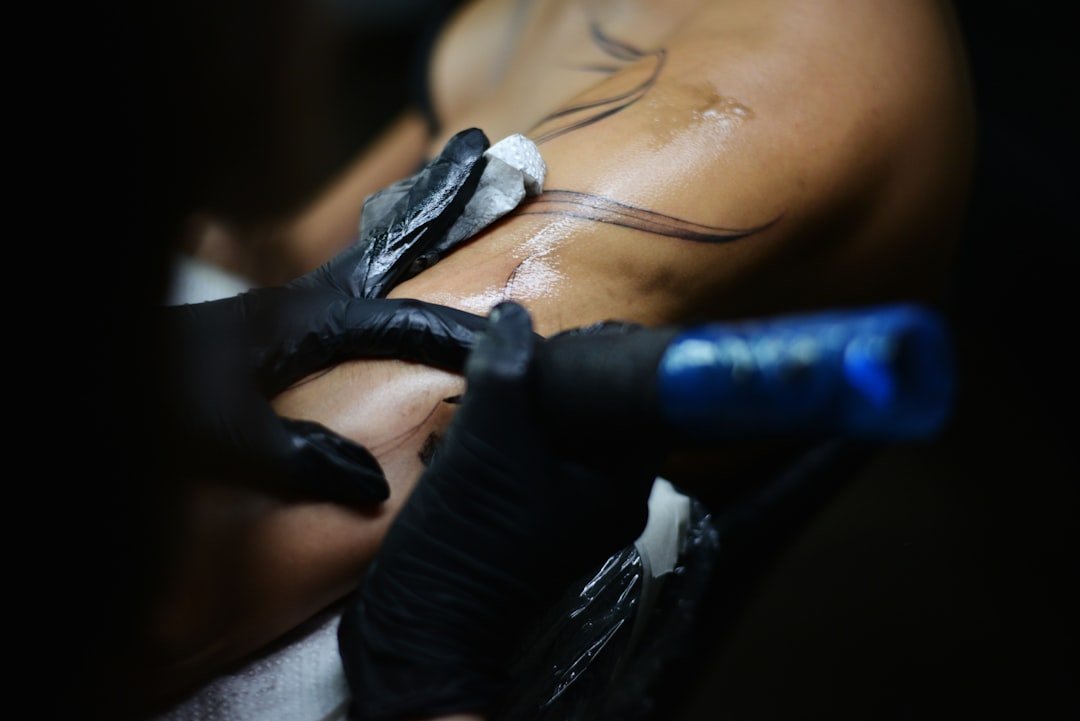
For optimal winter tattoo care, consider a two-step moisturizing approach:
-
First Layer: Apply a thin layer of water-based lotion or specialized tattoo aftercare product. This provides immediate hydration that absorbs quickly into the skin.
-
Second Layer (optional, for very dry conditions): After the first layer absorbs for 5-10 minutes, apply a thin layer of a slightly heavier product like Aquaphor to seal in moisture. This is especially useful before bed or before going outside.
This technique creates a moisture sandwich that hydrates deeply while protecting against environmental moisture loss. It's particularly effective for tattoos on extremities like hands, feet, and lower legs where winter dryness hits hardest.
Phase 3: Weeks 2-4 (Surface Healing Completion)
As your tattoo moves past the peeling phase, the surface will appear healed but remains vulnerable. The new skin is thinner and more susceptible to damage than mature skin. Continue moisturizing 2-3 times daily and maintain vigilance about winter-specific threats.
During this phase, you can begin introducing your healed tattoo to normal activities, but with caution:
- Hot showers are fine, but avoid letting hot water beat directly on the tattoo for extended periods
- Swimming pools, hot tubs, and saunas remain off-limits until fully healed
- You can wear normal clothing, but continue using protective barriers if fabric irritation occurs
- Begin gentle massage of the tattooed area to promote circulation and break up any scar tissue formation
Phase 4: Long-term Winter Maintenance
Even after your tattoo is fully healed, winter requires ongoing attention to keep your ink looking its best. Dry, flaky skin makes tattoos appear dull and faded, even when the ink beneath is perfectly intact. Continue moisturizing your tattooed skin daily throughout winter months—this applies to all your tattoos, not just new ones.
Winter-Specific Moisturizing Techniques
Moisturizing is the cornerstone of winter tattoo aftercare, but not all moisturizing approaches are created equal. The extreme dryness of winter demands more sophisticated techniques than simply slapping on lotion when your skin feels tight.
Understanding Your Skin's Moisture Barrier
Your skin has a natural moisture barrier composed of lipids (fats) that prevent water loss and keep irritants out. A fresh tattoo temporarily disrupts this barrier, and winter conditions further compromise it. Effective winter moisturizing works to both replace lost moisture and support barrier repair.
The key concept here is transepidermal water loss (TEWL)—the amount of water that evaporates through your skin into the surrounding air. Winter conditions dramatically increase TEWL through two mechanisms: low outdoor humidity pulls moisture from your skin, and indoor heating creates a double-whammy of warm, dry air that's especially thirsty for moisture.
The Humectant-Emollient-Occlusive System
Skincare science identifies three categories of moisturizing ingredients, and the best winter tattoo care uses all three strategically:
Humectants attract water molecules to the skin. Examples include: - Hyaluronic acid - Glycerin - Aloe vera - Honey (in some natural products)
Emollients fill in gaps between skin cells, creating a smoother surface. Examples include: - Jojoba oil - Squalane - Shea butter - Cocoa butter
Occlusives create a physical barrier that prevents moisture escape. Examples include: - Petroleum jelly - Beeswax - Lanolin - Dimethicone
| Product Type | Best For | Winter Application | Cautions |
|---|---|---|---|
| Tattoo-specific aftercare (Hustle Butter, After Inked) | All-in-one convenience | Primary daytime moisturizer | Quality varies by brand |
| Unscented lotions (Lubriderm, Eucerin) | Lightweight daily use | Base layer, frequent application | May not be enough alone in extreme cold |
| Aquaphor/Healing Ointment | Sealing in moisture | Thin layer over lotion, nighttime use | Too heavy if over-applied |
| Natural oils (coconut, jojoba) | Gentle, minimal ingredients | Good for sensitive skin | Some may clog pores |
| Prescription options | Severe dryness or complications | As directed by dermatologist | Only if OTC options fail |
Timing Your Moisturizing for Maximum Effect
Morning Routine: 1. Wash the tattoo gently during your shower (keep water lukewarm, not hot) 2. Pat dry immediately after exiting—don't let water evaporate on the skin 3. Apply moisturizer within 3 minutes while skin is still slightly damp 4. Allow to absorb fully before dressing (10-15 minutes)
Midday Touch-up: - Apply a thin layer of moisturizer, even over clothing if necessary - Focus on any areas that feel tight or dry - This is especially important if you work in an office with aggressive heating
Evening Routine: 1. Wash gently to remove daily buildup 2. Apply primary moisturizer generously 3. For very dry conditions, add a thin occlusive layer (Aquaphor or similar) 4. Cover with loose, breathable clothing for sleep
The Humidifier Advantage
One of the most effective winter tattoo care strategies isn't something you apply directly to your skin—it's adding moisture to the air you breathe and live in. A quality humidifier in your bedroom can dramatically improve skin hydration during healing.
The Cleveland Clinic recommends maintaining indoor humidity between 30-50% for optimal health. Most winter homes fall well below this range. A hygrometer (humidity meter) costs under $15 and helps you monitor conditions.
For tattoo healing, consider: - A warm mist humidifier near your bed (not directly on the tattoo) - Running the humidifier while you sleep when natural healing processes peak - Keeping the door closed to maintain humidity levels in your sleeping area
-
Purchase a hygrometer and ensure levels stay between 30-50%
-
Warm mist or cool mist both work; clean regularly to prevent mold
-
This window captures maximum moisture in the skin
-
Water-based first, then oils/butters, then occlusives if needed
-
In your bag, desk, or car for midday applications
-
If moisturizer sits on the surface without absorbing, you've applied too much
Clothing Considerations for Healing Tattoos
Winter wardrobes present a particular challenge for healing tattoos. The heavy fabrics, multiple layers, and tight fits common in cold-weather clothing can irritate, stick to, and damage healing skin if not managed carefully.
Fabric Selection Matters
Not all fabrics interact with healing tattoos equally. During the critical first two weeks, your fabric choices can significantly impact healing outcomes.
Best Fabrics for Healing Tattoos: - Cotton: Breathable, soft, and less likely to stick to oozing or peeling skin - Bamboo blends: Naturally antibacterial, very soft, and moisture-wicking - Silk or satin: Smooth surface reduces friction (though expensive) - Modal: Soft, breathable synthetic that works well against sensitive skin
Fabrics to Avoid or Use with Caution: - Wool: Rough fibers catch on peeling skin and can cause intense irritation - Polyester: Can trap heat and moisture, creating a breeding ground for bacteria - Acrylic: Similar issues to polyester, plus potential for static irritation - Rough knits: Textured sweaters can abrade healing surfaces
The Protective Barrier Strategy
When you can't avoid potentially irritating outer layers (like that wool sweater your grandmother knitted), use a protective barrier strategy:
- Apply your moisturizer and let it fully absorb
- Place a layer of soft, breathable fabric directly over the tattoo
- Wear your other clothing over this protective layer
For arm tattoos, a long-sleeved cotton t-shirt under a sweater works perfectly. For torso pieces, a cotton undershirt provides protection. Leg tattoos benefit from thin cotton leggings or thermal underwear as a base layer.
Photo by Toralf Thomassen on Unsplash
Managing Tight Clothing and Compression
Winter often means tighter-fitting clothing designed to trap body heat. Unfortunately, compression and tight fits can cause several problems for healing tattoos:
- Constant pressure inhibits air circulation needed for healing
- Tight elastic bands can cause ink migration at the edges
- Compression increases friction and rubbing with every movement
- Sweating under tight layers creates moisture buildup
During the first two weeks especially, prioritize loose fits in the area of your new tattoo. If you have a new thigh piece, skip the skinny jeans. Fresh shoulder work means loose sweaters rather than form-fitting base layers.
Dealing with Clothing Sticking to Tattoos
One of the most distressing experiences during winter healing is having fabric stick to your tattoo. This typically happens overnight or after extended periods wearing the same clothing. If you find yourself stuck:
Do NOT pull the fabric away—this can tear off scabs and healing skin, causing damage and potential scarring.
Instead: 1. Wet the stuck area thoroughly with lukewarm water 2. Let it soak for several minutes until the fabric naturally releases 3. Gently peel away while continuing to apply water if needed 4. Wash the tattoo gently and apply moisturizer 5. Prevent recurrence by applying a thin layer of Aquaphor before bed to create a barrier
Sleep Considerations
Winter sleep environments—warm, dry, with heavy bedding—require special attention:
- Use cotton or bamboo sheets rather than synthetic materials
- Consider medical wrap or second-skin products for the first few nights
- Sleep with the heated blanket on low or off entirely
- Keep a humidifier running to counteract dry bedroom air
- If possible, sleep with the tattooed area uncovered or lightly draped
-
Keep several clean cotton long-sleeves and leggings ready for layering
-
New fabrics contain chemicals and dyes that can irritate healing skin
-
Constant pressure and friction impair healing
-
Moisture trapped against healing skin breeds bacteria
-
Prevents painful sticking to sheets overnight
-
Synthetic sheets trap heat and can stick to healing tattoos
Winter-Specific Infection Prevention
While infection can occur in any season, winter presents unique risk factors that require specific preventive strategies. Understanding these risks helps you stay vigilant without becoming unnecessarily anxious.
How Winter Increases Infection Risk
Contrary to what you might assume, winter's cold temperatures don't sterilize your environment. Instead, several winter-specific factors can actually increase infection risk:
Cracked, Compromised Skin: The primary risk factor. When dry winter air causes your healing tattoo to crack, each crack is a potential entry point for bacteria. Healthy, well-moisturized skin forms a continuous barrier; dry, cracked skin is full of holes in that defense.
Indoor Crowding: People spend more time indoors during winter, in closer proximity to others. This increases exposure to bacteria and viruses that can complicate healing if you're fighting off illness.
Reduced Immune Function: Research published in the Journal of Allergy and Clinical Immunology suggests that vitamin D deficiency, common in winter due to reduced sun exposure, can impair immune function. A compromised immune system is slower to fight off potential infections.
Contaminated Winter Gear: Gloves, scarves, coats, and other winter items are worn repeatedly, often stored in bacteria-friendly environments, and rarely washed. Contact with these items—especially gloves touching a hand tattoo or a scarf near a neck piece—can introduce pathogens.
Signs of Infection vs. Normal Winter Healing
Winter healing often looks more dramatic than summer healing due to increased dryness and flaking. This can make it difficult to distinguish normal healing from early infection. Here's how to tell the difference:
Normal Winter Healing Signs: - Light to moderate flaking and peeling (may be more pronounced than in summer) - Mild itching, especially after moisturizing - Slightly dull appearance of the tattoo during peeling - Tightness or dryness that improves with moisturizing - Thin, dry scabs that fall off naturally
Warning Signs of Possible Infection: - Increasing redness that spreads beyond the tattoo boundary - Warmth to the touch that intensifies rather than diminishes - Swelling that worsens after the first 2-3 days - Discharge that is yellow, green, or has an odor - Fever, chills, or feeling unwell - Red streaks extending from the tattoo - Pain that intensifies rather than gradually improving
If you experience any warning signs, seek medical attention promptly. A dermatologist or your primary care physician can evaluate the tattoo and prescribe antibiotics if necessary. Don't rely on internet advice or hope it resolves on its own—tattoo infections can escalate quickly.
| Symptom | Normal Healing | Possible Infection |
|---|---|---|
| Redness | Fades daily, stays within tattoo area | Spreads, intensifies, extends beyond borders |
| Discharge | Clear or light yellow lymph fluid | Thick, colored (green/yellow), foul-smelling |
| Pain | Gradually decreases over days | Increases or stays intense after day 3 |
| Scabbing | Thin, dry, falls off naturally | Thick, crusty, oozing, doesn't improve |
| Swelling | Mild, reduces after 48-72 hours | Significant, worsens over time |
| Skin Temperature | Slightly warm initially | Hot to touch, fever |
Winter Infection Prevention Strategies
Maintain the Moisture Barrier: This cannot be overstated. Your best defense against infection is unbroken, well-hydrated skin. Follow the moisturizing protocols outlined earlier with religious dedication.
Practice Hand Hygiene Vigilantly: Always wash hands before touching your healing tattoo. In winter, when you're handling shared items like door handles and elevator buttons more frequently (while avoiding outdoor surfaces), hand contamination risk increases.
Clean Winter Gear Regularly: Wash gloves, scarves, and hat linings weekly during healing. Spray coat linings with fabric sanitizer. Store winter gear in clean, dry locations rather than damp coat closets.
Boost Immune Support: Consider a vitamin D supplement during winter months (consult your healthcare provider for appropriate dosing). Stay hydrated despite not feeling thirsty in cold weather. Get adequate sleep, which is crucial for healing.
Don't Over-Bundle at Night: It's tempting to pile on blankets during cold winter nights, but excessive warmth creates sweaty conditions that breed bacteria. Maintain a moderate temperature for sleeping and use breathable bedding.
Avoid Touching or Picking: Winter healing often involves more pronounced flaking, which can be tempting to pick at. Resist. Every time you pick or scratch, you risk introducing bacteria from your fingernails—which harbor more germs than most people realize.
-
20 seconds minimum with soap, clean under fingernails
-
Long nails harbor bacteria and risk scratching healing skin
-
Never use communal towels on a healing tattoo
-
Wash gloves, scarves, and hat linings weekly
-
Take photos to track changes if unsure about progression
-
They can often assess healing concerns via photo
-
Don't delay if you see spreading redness, fever, or worsening symptoms
Common Mistakes to Avoid
Even experienced tattoo collectors make mistakes during winter healing. Understanding these common pitfalls helps you avoid them and ensure your ink heals beautifully despite challenging conditions.
Mistake 1: Under-Moisturizing (And Over-Moisturizing)
The most common winter tattoo care error is misjudging moisture levels. Both extremes cause problems.
Under-moisturizing leads to: - Excessive flaking and scabbing - Cracked skin that can pull ink out - Increased infection risk through broken skin - Prolonged healing time
Over-moisturizing leads to: - Suffocated skin that can't breathe - Softened scabs that fall off prematurely - Clogged pores and potential breakouts - Creating a moist environment that bacteria love
The solution is finding the middle ground: thin, frequent applications rather than thick, occasional ones. Your tattoo should look slightly shiny after application but absorb within a few minutes. If product sits on the surface for more than 10-15 minutes, you've applied too much.
Mistake 2: Taking Hot Showers and Baths
After coming in from the cold, a steaming hot shower feels incredible. But hot water is terrible for healing tattoos. It:
- Strips natural oils from the skin
- Increases inflammation and swelling
- Opens pores, increasing vulnerability
- Can soften and prematurely remove scabs
- Dries out skin aggressively once you exit
Stick to lukewarm water, especially directly on the tattoo. Keep showers brief during the first two weeks—under 10 minutes when possible. And never soak a healing tattoo in a bath, no matter how cold you are.
Mistake 3: Sitting Too Close to Heat Sources
Winter means heaters, fireplaces, radiators, and heated seats. These can be surprisingly damaging to healing tattoos:
- Direct heat dries out the skin rapidly
- Sudden temperature changes stress healing skin
- Heated car seats can cause sweating followed by rapid cooling
- Falling asleep near a fireplace or space heater can seriously dry out a tattoo overnight
Maintain distance from direct heat sources. If you have a new leg tattoo, don't sit with your legs stretched toward the fireplace. If you have arm work, keep it away from the car's heating vents.
Mistake 4: Ignoring Indoor Humidity
Many people focus entirely on topical moisturizing while ignoring the air around them. But if you're spending 8 hours sleeping in 15% humidity air, no amount of lotion can fully compensate.
Address your environment: - Use a humidifier, especially in the bedroom - Keep houseplants that release moisture - Don't set your thermostat higher than necessary - Avoid sleeping directly in the path of heating vents
Mistake 5: Wearing the Wrong Clothing to Bed
People often bundle up in fleece pajamas and microfiber sheets during winter, which can be terrible for healing tattoos:
- Synthetic fabrics create static and friction
- Fleece can stick to oozing tattoos
- Microfiber sheets, while soft, are essentially designed to grab and hold moisture—including from your tattoo
Switch to cotton sleepwear and sheets during healing. Yes, cotton is less insulating, but the trade-off for proper tattoo healing is worth the extra blanket.
Mistake 6: Picking at Winter Flakes
Winter healing produces more dramatic flaking than summer healing. Those thick, sometimes colorful flakes can be almost irresistibly tempting to pick.
Don't do it.
Every flake is attached to healing skin underneath. Pulling them off pulls out ink and damages new skin. The resulting patches will heal lighter and potentially scarred. Even touching and loosening flakes introduces bacteria.
If you're a compulsive picker, keep your hands busy with something else. Wear light gloves at home if you need to. The flaking phase typically lasts 5-10 days—you can resist that long for the sake of your tattoo.
Mistake 7: Changing Products Mid-Healing
Winter skin concerns make people anxious to try every product promising relief. But switching aftercare products midway through healing can cause reactions and irritation.
Pick your products before you get tattooed and stick with them throughout healing. If something is genuinely causing problems, consult your artist before switching rather than experimenting.
Mistake 8: Skipping Aftercare Because "It's Covered"
Since winter tattoos are usually hidden under clothing, some people become lax about aftercare, figuring nobody sees the tattoo anyway. This is backward thinking—winter tattoos need more attention, not less.
The fact that your tattoo is covered doesn't protect it from dry air. In fact, being trapped under dry, potentially irritating clothing makes proper aftercare even more critical.
Best Practices from Professional Tattoo Artists
Professional tattoo artists see the results of aftercare—both good and bad—every day. Their accumulated wisdom, based on thousands of healed tattoos, offers invaluable guidance for winter tattoo care.
Plan Your Tattoo Timing Strategically
If possible, schedule winter tattoos during milder portions of the season—early fall before heating season begins in earnest, or late winter as humidity starts to return. The heart of winter (December-February in most Northern regions) presents the most challenging healing conditions.
Also consider what you have planned. Got a ski trip coming up? That's not the time for a new tattoo. Working from home for a few weeks? Much better timing.
Location-Specific Winter Advice
Certain body locations face unique winter challenges:
Hands and Fingers: Perhaps the hardest to heal in winter due to constant hand washing, exposure to cold, and glove friction. Many artists recommend waiting until warmer months for hand tattoos, or planning for a period when you can minimize hand use.
Feet and Ankles: Winter boots create a warm, moist environment followed by shock-cold exposure—neither ideal for healing. If getting foot work in winter, plan for several weeks of wearing only soft, breathable shoes when indoors.
Forearms and Wrists: Watch irritation points with coats and sweaters. Long-sleeved shirts create a protective barrier.
Chest and Back: Generally easier to protect in winter, though be cautious about synthetic thermal underwear.
Face and Neck: Scarves are a major irritant. Plan to go scarf-free or use only the softest materials during healing.
Winter clients need to think of their healing tattoo like a houseplant. Your skin needs consistent moisture, protection from harsh environments, and regular attention. Neglect it because you can't see it under your sweater, and you'll be disappointed when spring comes around.
Product Recommendations from the Pros
While many artists have specific product affiliations, certain recommendations appear consistently for winter healing:
For Daily Moisturizing: - Unscented Lubriderm or Eucerin as reliable drugstore options - Hustle Butter or Hustle Butter Deluxe for tattoo-specific products - After Inked for those who prefer vegan options
For Extra Protection: - Aquaphor Healing Ointment (thin layer only) - Medical-grade second-skin products for overnight protection - Pure coconut oil for those preferring natural options (patch test first)
Products to Avoid: - Anything heavily fragranced - Products containing alcohol - Neosporin or triple antibiotic ointments (can cause reactions and impair healing) - Generic petroleum jelly as a primary aftercare product - Products containing numbing agents
The Touch-Up Reality
Experienced artists will tell you that winter tattoos more frequently need touch-ups than summer tattoos—not because of any fault in the original work, but because winter conditions make perfect healing more difficult.
If your winter tattoo needs a touch-up, don't see it as failure. Most reputable artists include one free touch-up in their pricing and expect some clients to need it. Wait until the tattoo is fully healed (minimum 6-8 weeks) before evaluating whether touch-up is needed, as what looks like fallout during healing often evens out once complete.
Communication with Your Artist
Maintain communication with your artist throughout winter healing:
- Don't hesitate to send photos if you're concerned
- Follow their specific aftercare instructions over generic online advice
- Let them know if you'll be traveling to extremely cold or dry climates during healing
- Ask about their preferred products before purchasing anything
- Report any signs of infection or unusual healing immediately
-
They may adjust ink choices, depth, or aftercare recommendations seasonally
-
Avoid booking before ski trips, cold weather travel, or major holidays
-
Don't scramble for aftercare supplies after your tattoo is done
-
Ensure you have appropriate cotton base layers and loose-fitting options
-
Humidifier, clean bedding, and aftercare station ready before your appointment
-
You should be able to reach them quickly if concerns arise
Frequently Asked Questions
Conclusion
Winter tattoo aftercare requires extra attention, but it's far from impossible. The key principles are straightforward: maintain aggressive moisture levels, protect your healing skin from temperature extremes and fabric friction, and stay vigilant about infection prevention during a season when your body faces additional challenges.
Remember that a healing tattoo in winter is working against environmental factors that don't exist in warmer months. The dry air in your heated home, the wool sweater rubbing against your arm, the cold wind hitting your skin when you step outside—all of these challenge the natural healing process. Your job is to counteract these factors through consistent, thoughtful aftercare.
The effort is worth it. A well-cared-for winter tattoo heals just as beautifully as one done in any other season. Many people actually prefer winter tattooing once they understand the process, appreciating the ability to keep new work protected under clothing during the sometimes-awkward healing phase.
If you take one thing from this guide, let it be this: moisture is your winter tattoo's best friend. Moisturize more frequently than you think necessary, maintain humidity in your living space, and never let your healing tattoo feel tight or dry. Combined with basic hygiene, appropriate clothing choices, and communication with your artist, these practices will see you through to a beautifully healed piece come spring.
Ready for Your Winter Ink?
Now that you understand winter tattoo aftercare, you're prepared to get beautiful work done any time of year. For more guidance on your tattoo journey, explore our comprehensive aftercare resources.
Explore Aftercare Guides
Comments
No comments yet. Be the first to comment!
Leave a Comment